
I first heard the term "quiet luxury" in a Vogue meeting sometime around 2019. It was presented as a trend — a backlash against logomania, a turn toward beige cashmere and logo-free handbags. We wrote about it as something new, something to watch, something to buy into before everyone else did. I remember nodding along, already mentally building a list of pieces to feature. That was my job. That was the language I spoke.
But I no longer speak that language. I left the industry in 2023, and somewhere in the quiet of my Brooklyn apartment, surrounded by fewer things and slower mornings, I began to understand that quiet luxury was never supposed to be a trend.
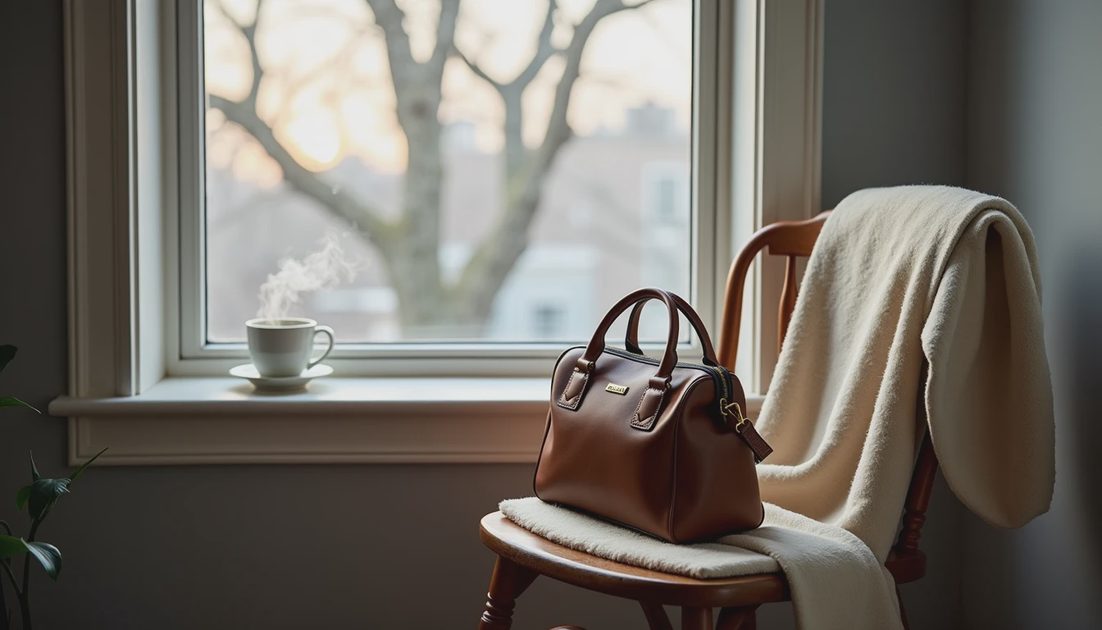
It was never about copying the off-duty looks of celebrities or buying the right expensive knit. It was, and always has been, about the relationship between a person and the things she chooses to keep.
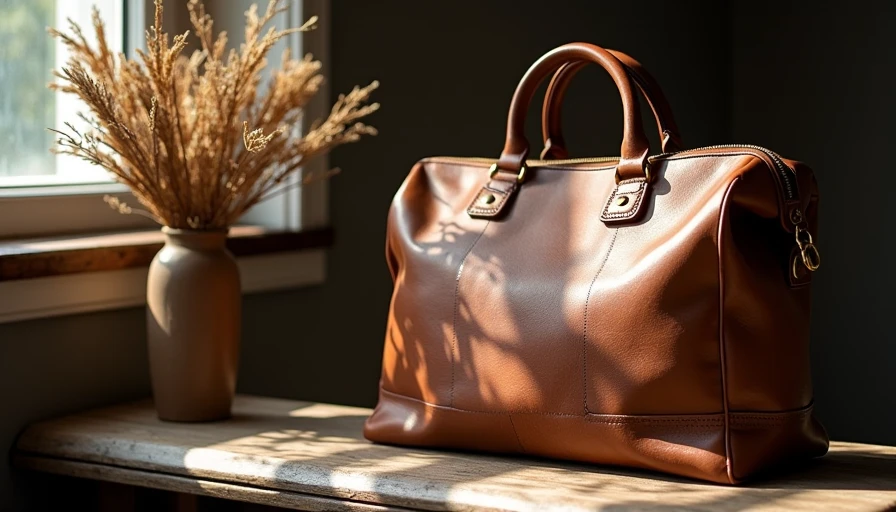
True quiet luxury, I’ve come to believe, is not defined by a price point or a specific color palette. It is defined by time. It is the leather bag that has softened along the handles from years of daily use. It is the cashmere crewneck you’ve carefully hand-washed season after season, the one with the small mend near the cuff that only you can see. It is the coat you bought five years ago, still wearing it now, still finding new ways to wrap it around the woman you are becoming.
From my years inside the fashion system, I can tell you this: the industry is built on the opposite of longevity. It runs on newness, on the next season, on making you feel that what you already own is somehow not enough. I participated in that machinery. I wrote the copy, styled the models, attended the shows. And I watched so many beautifully made garments become irrelevant simply because they were no longer "now."
That is not luxury. That is waste dressed in beautiful language
Building a quiet luxury wardrobe is not a shopping exercise. It is a practice in patience, care, and deep listening. It begins with asking yourself: What has already lasted in my closet? What do I reach for when no one is watching, when I have nowhere to be, when I simply want to feel like myself? Those pieces — the ones you reach for in private — are the foundation. They deserve your most careful attention.
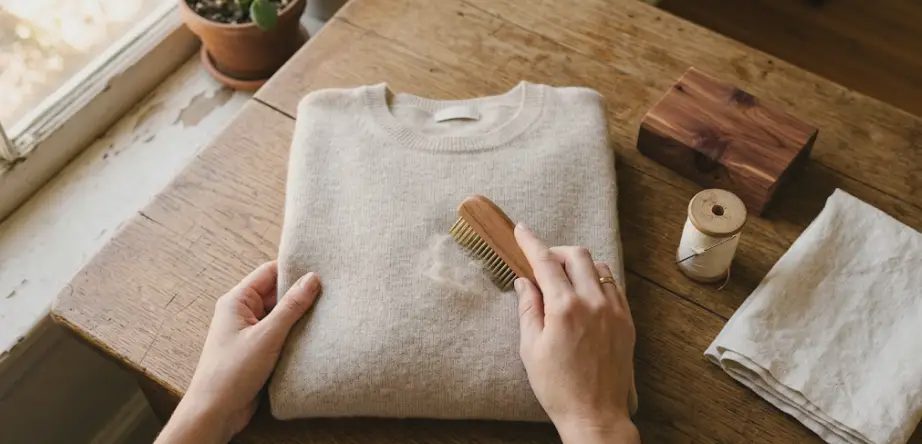
Care, too, is a form of luxury that no amount of money can replace. I learned this from my grandmother, who kept her silk scarves folded in lavender-scented drawers, who mended loose buttons before they ever fell off. She didn't own many things, but everything she owned was deeply cared for — and beautiful because of it. Now, in my own home, I keep a small wooden brush beside my sweaters for gentle depilling, cedar blocks tucked into storage, and a ritual of end-of-season care that feels less like maintenance and more like gratitude.
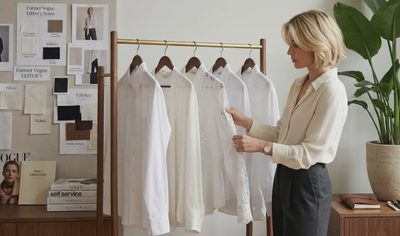
And restraint — true restraint — is not about having less. It is about honoring what you already have by not crowding it. A quiet luxury wardrobe is rarely large. It breathes. It leaves space between hangers. It allows each garment to be seen, considered, worn, and rested in rotation. From my design training, I remember a professor saying that negative space in a garment is as important as the seams. The same is true of a closet.
I no longer think of quiet luxury as an aesthetic category. I think of it as a quiet commitment — to buying less, to choosing well, to making things last, to tending the small world of your wardrobe with devotion rather than restlessness. It is the antidote to everything the fashion industry tried to sell me, and that I once tried to sell to you.
My husband tells me that life is like tending flowers: it needs watering every day. A quiet luxury wardrobe, in the end, is one that you are willing to tend. Not because you're told to, but because what hangs there has earned your care through the years it has faithfully dressed your life.
Dress for the life you are gently returning to.