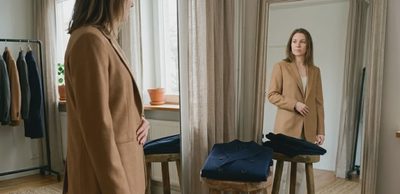
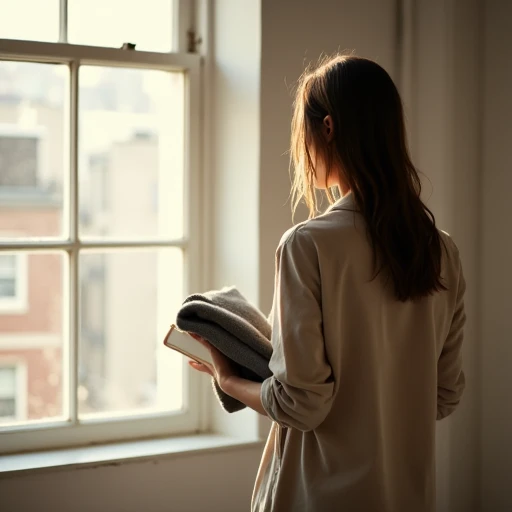
The morning I knew I had to leave, I sat on the edge of the bed for forty minutes unable to choose what to wear. Not because I had nothing—my closet was a meticulous archive of sample sale finds, designer gifts, and a decade of accumulated taste—but because every garment felt like a demand. That silk blouse required a posture I couldn’t find. The tailored trousers asked for a version of me that had disappeared. Even my favorite black blazer, the one I wore to my first Vogue desk, now seemed to say, Be sharper. Be faster. Be someone who is not this tired.
Burnout, I’ve learned, is not only a depletion of energy. It is a fracture in the relationship you have with yourself, and it seeps into the smallest corners of daily life. Dressing becomes an exhausting negotiation between the person you are and the person you used to be able to perform. When I left my editorial role in 2023, I left behind the industry language of must-haves and next-big-things. But I also had to leave behind the wardrobe that spoke that language. What I needed, in those early quiet months in Brooklyn, was not a new style philosophy. I needed a recovery wardrobe: a small collection of pieces that asked almost nothing of me, except that I show up, gently, to my own life.
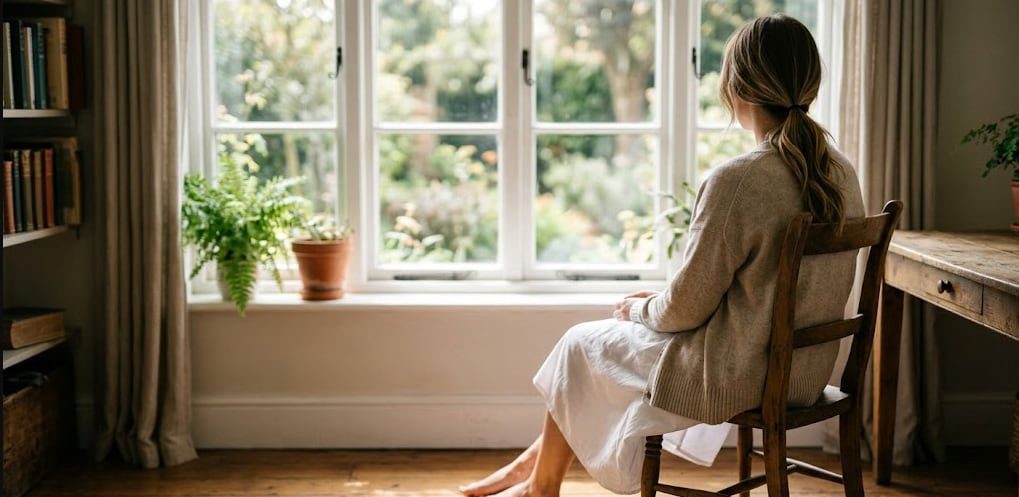
I began with one question, whispered to myself beside the open closet doors: Does this feel like a held breath, or a long exhale? Anything that tightened my shoulders, restricted my ribcage, or demanded constant adjustment went into a fabric storage bag. I didn’t call it a purge; I called it a kindness. What remained—and what I slowly, carefully added—were pieces that understood a fragile body and a tender mind.
The first principle was texture. As a trained designer, I’ve always known that fabric touches skin before any thought reaches the brain. In burnout, my nervous system was raw. I could no longer tolerate itchy wool blends, synthetic linings that trapped heat, or anything that felt like armor. I reached for the softest things I owned: a fine-gauge cashmere crewneck in oatmeal, a pair of washed cotton-linen trousers with a forgiving elastic back waist, a ribbed merino cardigan with no buttons, just an open drape. These were not “investment pieces” in the fashion-magazine sense. They were investments in calm. I would wear the same cashmere for three days, and it felt like a small victory to allow myself that repetition without shame.
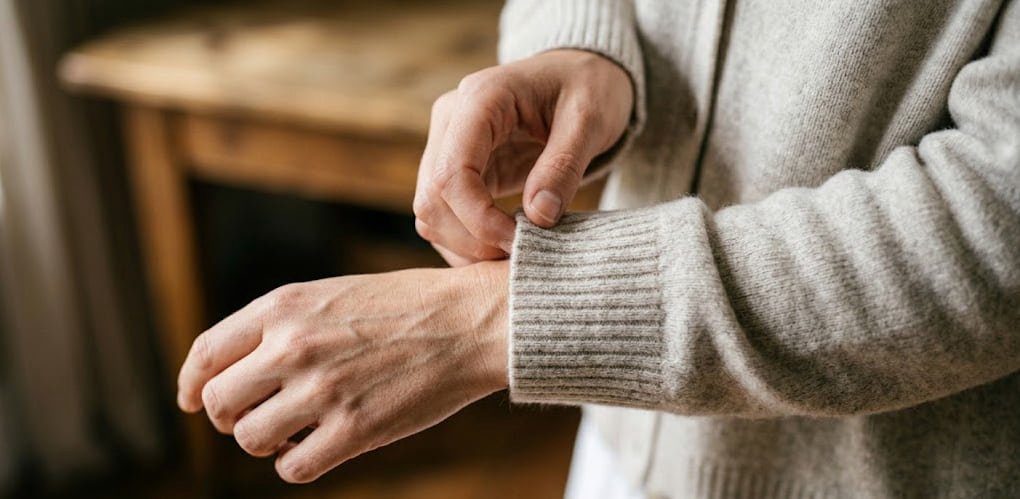
The second principle was ease of silhouette. I let go of structured blazers and harsh shoulder pads the way you let go of an obligation that was never truly yours. I lived in long, fluid silhouettes: a silk-blend slip dress layered under the cardigan, a roomy poplin shirt worn open as a jacket, wide-legged trousers that pooled around my ankles with no definition other than what my body naturally gave them. From my design training, I understood that when you remove constriction, you signal safety to the nervous system. A sleeve that doesn’t bind the arm, a waist that sits without digging—these are quiet acts of respect for a body recovering its rhythm.
The third principle was color as a quiet container. I’ve written about color theory for luxury publications, and I know the visual drama a bold red can deliver. But in those tender months, I craved neutrality—not out of boredom, but from a need for visual peace. Oatmeal, stone, dove gray, washed black, a faded rose pink that had no agenda. Wearing a limited palette meant fewer decisions, less visual noise. It created a container soft enough to hold whatever emotions surfaced when I looked in the mirror.
The fourth, and most difficult, principle was to let one garment carry deep personal meaning. Before I left Los Angeles, I walked through the nearly empty fashion closet one final time. There, forgotten on a hanger, was a sample of a brushed wool wrap coat in cream, unlabeled, probably from a European house that had cycled through months earlier. It was oversized, slightly heavy, lined in cupro. I took it home not as a souvenir of the industry, but because when I wrapped it around my shoulders that night, my whole body let go. It became my physical cue for safety. During the hardest weeks, I’d put it on first thing in the morning, make a cup of tea, and sit by the window until the knot in my chest loosened. I still wear it now, not because it’s beautiful—though it is—but because it holds the memory of coming back to myself.
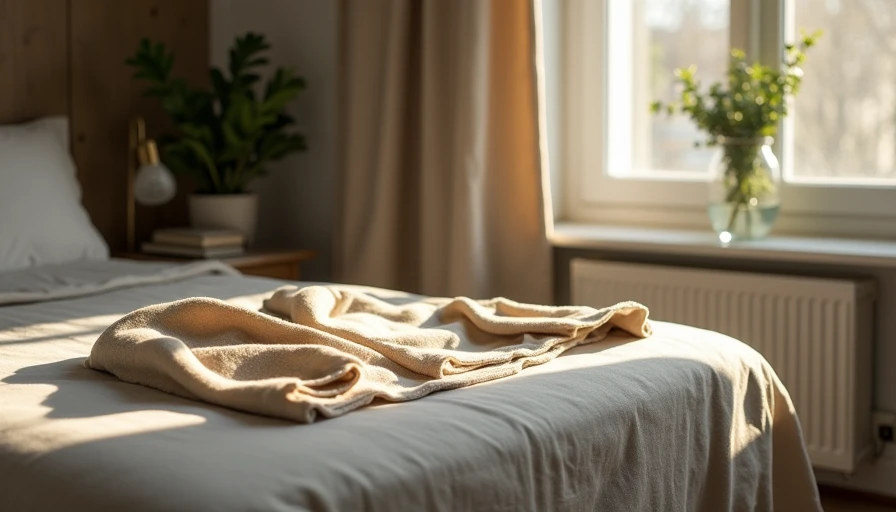
The burnout recovery wardrobe is not a capsule you can buy in one afternoon, and it should never be marketed to you as a quick fix. It is built slowly, with deep permission. Some mornings I still couldn’t get dressed at all, and I learned that a clean cotton robe and a soft blanket were enough. That, too, was part of the practice.
Now, when I write about clothes, I don’t write about what’s new. I write about what helps a woman return to herself. My husband once told me that life is like tending flowers: it needs watering every day. Dressing during recovery was exactly that—not a performance, but a daily tending. A small ritual of putting on softness, of choosing an exhale, of dressing for the life I was gently returning to.
Dress for the life you are gently returning to.