
What Is Circular Fashion? A Gentle Guide to Dressing in Tune With the Planet
If you have been wondering what is circular fashion, you are not alone. This term has floated through sustainability conversations, slow style blogs, and even the pages of Vogue. But beneath the buzz, circular fashion is a simple yet profound idea: clothing designed to be reused, repaired, rented, or recycled, so that nothing ends up in a landfill. For someone like me, who believes fashion should be a quiet ritual rather than a source of anxiety, circular fashion feels like a natural extension of living gently. It is not about deprivation—it is about dressing with intention and respect for the resources that made our clothes.
What Exactly Does Circular Fashion Mean?
Circular fashion draws inspiration from nature, where nothing is wasted. In a linear system, we take materials, make a garment, use it a few times, and throw it away. Circular fashion closes that loop. It means designing garments that can be disassembled and remade, choosing fibers that biodegrade or can be infinitely recycled, and creating business models that prioritize longevity over volume. For example, Patagonia’s Worn Wear program repairs and resells used gear, while brands like Eileen Fisher take back old pieces to turn into new designs. This approach requires shifting from ownership to stewardship—caring for our clothes and passing them on.
How Circular Fashion Differs From Fast Fashion
Fast fashion thrives on speed and disposability. A dress is worn once or twice, then tossed. The environmental cost is staggering: the fashion industry produces 10% of global carbon emissions and 20% of wastewater. Circular fashion offers a different rhythm. It values quality, timeless design, and emotional durability. When you buy a piece that fits your life for years, you stop chasing trends. I think of my own wardrobe—a linen blazer I have had for five seasons, a silk blouse mended twice. They feel like old friends, not disposable items. Circular fashion is not anti-consumption; it is conscious consumption.
Why Circular Fashion Belongs in a Peaceful Wardrobe
A peaceful wardrobe is one that does not ask you to perform or keep up. It is a collection of pieces that support your daily life without guilt. Circular fashion aligns perfectly with this philosophy. When you know your clothes were made ethically and can be repaired or passed along, you wear them with ease. You stop feeling the itch to buy new for every event. Instead, you invest in fewer, better things and take care of them. I have found that embracing circular fashion calms the shopping impulse. It turns dressing into a slow, thoughtful act—like watering a plant, not racing to a finish line.
How to Start Embracing Circular Fashion Today
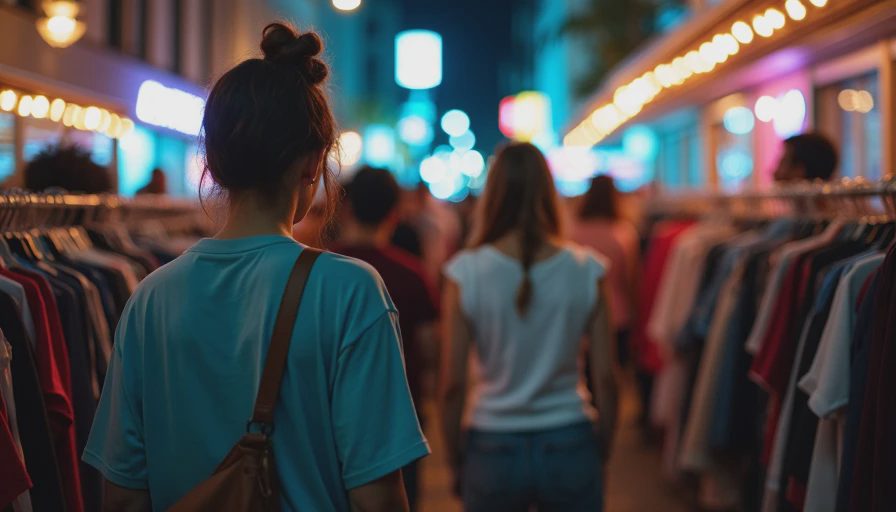
You do not need to overhaul your entire closet. Small steps build momentum. First, learn to mend: a loose button or small tear can be fixed with a needle and thread. Second, shop secondhand first—thrift stores, consignment shops, and apps like ThredUp or Vestiaire Collective offer beautiful pieces with no new resource extraction. Third, choose natural fibers like organic cotton, linen, hemp, or wool that biodegrade. Fourth, use rental services for occasions like weddings or travel. Fifth, when you do buy new, look for brands that offer repair services or take-back programs. Every time you repair a hem or buy preloved, you are voting for a different fashion system.
Circular Fashion in Practice: A Mini FAQ
One common question is whether circular fashion is just another term for thrift shopping. Not exactly. Thrift shopping is one part of circular fashion, but the concept is broader. It includes design, production, and end-of-life planning. A circular garment is made to be durable, repairable, and eventually recyclable. Thrifting supports circularity by extending a garment's life, but true circular fashion also demands that manufacturers take responsibility for what they create.
Another question is whether circular fashion means you can never buy anything new. Not at all. The goal is to reduce waste, not eliminate buying. When you do buy new, choose items that are built to last and made from materials that can cycle back into the system. Many circular brands offer take-back programs, so you know the piece won't end up in a landfill.
Some people worry that circular fashion is more expensive. It can be, because quality costs more upfront. But over time, circular pieces often save money—they last longer, can be repaired, and retain resale value. Renting and secondhand also offer affordable access. The key is shifting from a disposable mindset to an investment mindset.
Finally, how do you know if a brand is truly circular? Look for certifications like Cradle to Cradle, B Corp, or the Global Organic Textile Standard. Check if the brand offers repair services, recycling programs, or transparency about its supply chain. True circularity is about the whole lifecycle, not just a marketing claim.
And one more: can you trust the term circular fashion itself? There is no legal definition yet, so greenwashing is possible. Look for specific actions, not just buzzwords. A brand that offers repair guides, uses recycled materials, and has a take-back program is likely sincere. As consumers, we can vote with our wallets for transparency.
So what is circular fashion? It is an invitation to dress as if the earth matters—and as if you matter, too. It is a way to align your wardrobe with your values, without sacrificing beauty or comfort. Start where you are, and let your clothes tell a story of care.