


There is something quietly revolutionary about knowing how to mend clothes. In a world that urges us to replace, upgrade, and buy new, the act of sitting still with a needle and thread becomes a small rebellion — and a surprisingly peaceful one. I learned to mend not out of necessity, but out of a desire to slow down. When I left my fast-paced life at Vogue, I found that repairing a torn seam or darning a worn heel gave me back a sense of control and care that shopping never could. Learning how to mend clothes is not just a practical skill; it is a way to reconnect with the pieces you already love and extend their life with intention.
The Simple Art of Darning
Darning is the most meditative of mending techniques. It involves weaving thread back and forth across a hole or thin patch until the fabric is whole again. Start with a darning mushroom or a small wooden spoon placed under the area you are repairing. Use a thread that matches the weight and color of the fabric — for wool sweaters, a contrasting color can look intentional and beautiful. As you work, the rhythm of the needle becomes almost hypnotic. I have mended a favorite cashmere cardigan this way three times now, and each repair tells a story. If you are new to darning, practice on an old sock or scarf. The key is to keep the tension even and the stitches close together.

Mending a Seam: The Most Satisfying Fix
A popped seam is one of the easiest repairs, yet many people throw away perfectly good clothing because they do not know how to fix it. To mend a seam, turn the garment inside out and align the edges of the fabric. Use a simple running stitch or a backstitch for extra strength. For denim or heavy fabrics, a thimble will save your fingertips. This is the kind of repair you can do while watching a film or listening to a podcast. Once you master how to mend clothes in this way, you will see torn seams everywhere as opportunities rather than reasons to discard. I keep a small sewing kit in my nightstand for exactly these moments.
When to Let a Professional Mend
Some repairs are best left to a professional. Delicate silks, complex zippers, and leather items require tools and expertise most of us do not have at home. There is no shame in taking a cherished coat to a tailor. In fact, outsourcing certain mends can be an act of preservation — you are investing in the longevity of a piece that brings you joy. Knowing your own limits is part of the peaceful wardrobe philosophy. But for the everyday tears, loose buttons, and frayed hems, learning how to mend clothes yourself is a skill that pays for itself over and over.
Building a Mending Ritual
The real beauty of mending lies not in the finished repair, but in the practice itself. I set aside one evening a month to go through my wardrobe with a needle and thread. I light a candle, put on something slow — maybe a Chopin nocturne — and work through the small pile of pieces that need attention. This ritual has become a form of therapy. It reminds me that care is not rushed and that taking time to fix something is a statement against disposability. If you are new to mending, start with one item: a shirt with a missing button or a pair of trousers with a loose hem. The sense of accomplishment is surprisingly profound.
Common Mending Mistakes to Avoid
Even experienced stitchers make errors, but knowing what to watch for will save you time and frustration. The most frequent mistake is using the wrong thread — thick thread on delicate fabric can cause puckering, while thin thread on denim will snap. Always match the thread weight to the fabric. Another pitfall is pulling the thread too tight, especially when darning; this creates a stiff patch that feels uncomfortable and may distort the weave. Keep a relaxed hand and let the stitches rest naturally. Also, never skip securing your knots. A loose knot means your repair will unravel after one wash. Finish with a small backstitch or a knot tucked between layers. If you are patching a hole, cut the patch larger than the hole — at least half an inch on each side — and use an iron-on adhesive for stability before stitching. Finally, practice on scrap fabric first. I ruined a favorite linen shirt by jumping straight into a complex mend. Patience truly pays off. By avoiding these common missteps, you will find that how to mend clothes becomes second nature, and each repair strengthens both the garment and your confidence.
Conclusion: Start Small, Mend Often
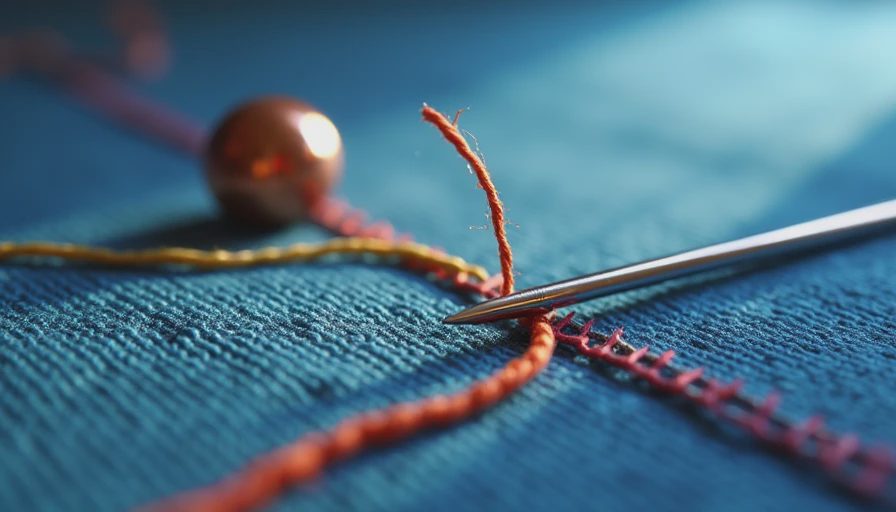
You do not need a workshop full of supplies to begin. A needle, thread, and a bit of patience are enough. As you practice how to mend clothes, you will notice your relationship with your wardrobe shifting. You will pause before tossing something worn. You will value craftsmanship over convenience. And slowly, your closet will become a collection of pieces you have tended, not just acquired. That is what dressing for the life you are gently returning to really means — one careful stitch at a time.